
What is a Furniture Receiving Warehouse and How Can it Help Prevent Delivery Mistakes?
- Profit Parrot Support
- Apr 29
- 4 min read
Furniture logistics is one of the most overlooked risks in any interior design project. Delays, damage, missing items, and poor coordination can quickly disrupt timelines and impact the final result.
A furniture receiving warehouse solves these problems by creating a structured, controlled process from delivery to installation.
For interior designers and commercial teams, this is not a convenience. It is a critical part of keeping projects organized, predictable, and on schedule.
How an Interior Design Receiving Warehouse Works
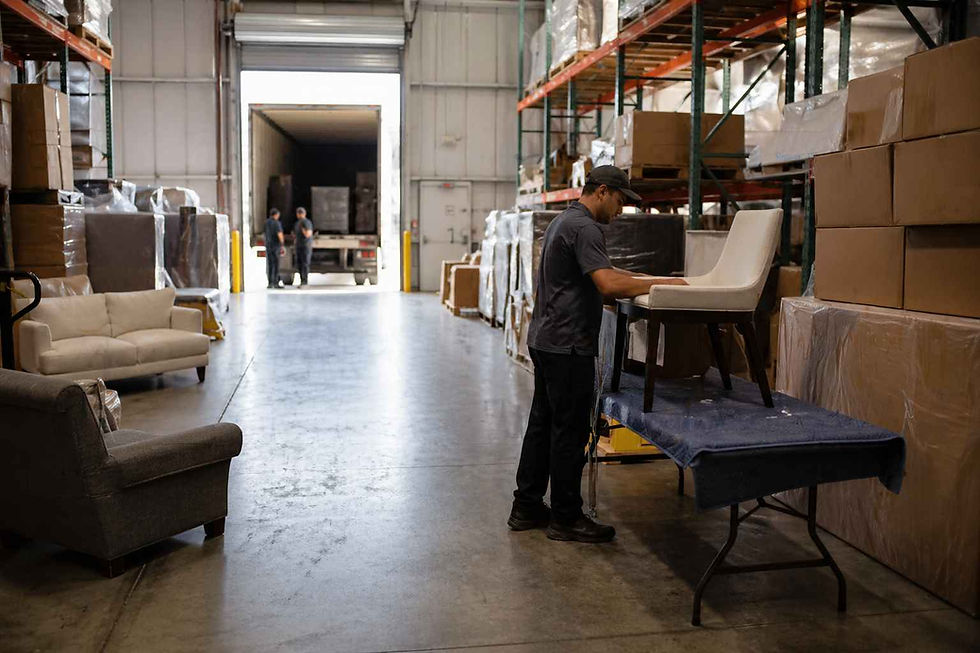
An interior design receiving warehouse acts as a central hub for all furniture and décor items in a project. Instead of shipping items directly to a job site, everything is routed through a controlled environment first.
The process typically includes:
Receiving furniture from multiple vendors
Logging and organizing inventory by project
Completing detailed furniture inspections with documentation
Placing items into secure furniture storage
Coordinating delivery based on project readiness
Scheduling white-glove delivery and installation
This structured workflow removes guesswork and ensures every item is accounted for before installation begins.
Why Interior Designers Use a Receiving Warehouse
Interior design projects often involve dozens of vendors, staggered deliveries, and tight timelines. Without a centralized system, coordination becomes difficult, and errors increase.
An interior designer receiving warehouse provides:
A single point of accountability from receiving through installation
Project-based organization with no mixed inventory
Early issue detection through consistent furniture inspections
Delivery coordination aligned with real construction timelines
Reliable communication without multiple vendor handoffs
This allows designers to stay focused on the creative side of the project while logistics are handled behind the scenes
What Happens During Furniture Inspection
Furniture inspection is one of the most important steps in the process. Every item is reviewed before it ever reaches the final space.
A proper inspection includes:
Checking for visible damage or defects
Verifying finishes, materials, and dimensions
Confirming all parts and hardware are included
Documenting condition with photos and reports
Independent furniture inspections can also be used for high-value or custom items where accuracy is critical.
Catching issues at the warehouse stage prevents delays, returns, and installation day problems.
The Importance of Secure Furniture Storage
Secure furniture storage protects items until the project is ready for delivery. This is especially important for projects with phased timelines or ongoing construction.
Key benefits include:
Climate-controlled storage conditions
Organized inventory by project
Protection from dust, damage, and site conditions
Flexibility to stage items based on installation phases
Without proper storage, furniture is often exposed to unnecessary risk before it is even installed.
What Is White Glove Furniture Delivery?
White-glove furniture delivery is a premium service designed for careful handling and precise placement of furniture.
A white-glove delivery service for furniture typically includes:
Delivery inside the home or commercial space
Unpacking and removal of packaging materials
Placement in designated rooms
Basic assembly where required
Furniture white glove service ensures that items arrive in the correct condition and are positioned correctly the first time.
White Glove Delivery and Installation
White-glove delivery and installation take the process further by including full setup and coordination.
White glove installation services often include:
Full furniture assembly
Placement based on design plans
Coordination with designers or project managers
Final adjustments and setup
This approach supports both residential and commercial projects where precision and timing matter.
For larger projects, this is often combined with phased delivery and install coordination to match construction timelines and site readiness
Why “Furniture Receiving Warehouse Near Me” Searches Matter
Searches like “furniture receiving warehouse near me” or “interior design receiving warehouse near me” indicate active project demand.
Choosing the right warehouse partner can:
Reduce delivery delays
Improve scheduling accuracy
Simplify communication across vendors
Support both residential and commercial projects
The goal is not just proximity, but a consistent and reliable process.
Common Problems a Receiving Warehouse Solves
Without a structured logistics process, common issues include:
Damaged furniture arriving at the job site
Missing items discovered too late
Multiple deliveries are disrupting the space
Limited storage during renovations
Miscommunication between vendors and installers
A furniture receiving warehouse eliminates these risks by managing every step from arrival to final placement.
How to Choose the Right Interior Designer Warehouse
Not all warehouses are built for interior design workflows. The right partner should offer more than basic storage.
Look for:
Dedicated furniture receiving and inspection processes
Secure storage with project-based organization
Delivery coordination aligned with real timelines
White-glove delivery and installation services
Clear communication and accountability
A strong logistics partner brings structure to what is often the most unpredictable part of a project.
FAQ
What is an interior design receiving warehouse?
An interior design receiving warehouse is a facility that manages furniture receiving, inspection, storage, and delivery coordination before installation.
Why not ship furniture directly to the job site?
Direct delivery increases the risk of damage, missing items, and scheduling issues. A warehouse ensures everything is inspected and ready before installation.
What is included in white-glove furniture delivery?
White-glove furniture delivery includes in-home or on-site placement, unpacking, and removal of packaging materials.
What is the difference between white-glove delivery and installation?
Delivery focuses on transport and placement. Installation includes assembly, setup, and coordination with the design plan.
How does furniture inspection help?
Furniture inspection identifies damage or errors early, allowing issues to be resolved before installation day.
Do I need secure furniture storage?
Secure furniture storage is essential for projects with multiple deliveries or phased timelines to protect items until they are ready for installation.
Are independent furniture inspections necessary?
Independent furniture inspections are recommended for high-value or custom items where quality control is critical.
Simplify Your Furniture Logistics
Interior design projects move faster and more efficiently when logistics are handled with a structured process. From furniture receiving and inspection to secure storage and white-glove installation, every step plays a role in protecting the final result.
If you are planning a project and want to avoid delays, damage, and coordination issues, the next step is to work with a team that understands interior design logistics.
Get in touch with us to discuss your project and get the support needed to keep everything organized, predictable, and on schedule.


Comments